Every multi-outlet restaurant operator in India is sitting on more data than they know what to do with. Every transaction at the POS. Every online order from Swiggy or Zomato. Every labour hour logged, every inventory count done, every SOP checklist completed or skipped. The data is there.
The problem is that none of it is talking to each other.
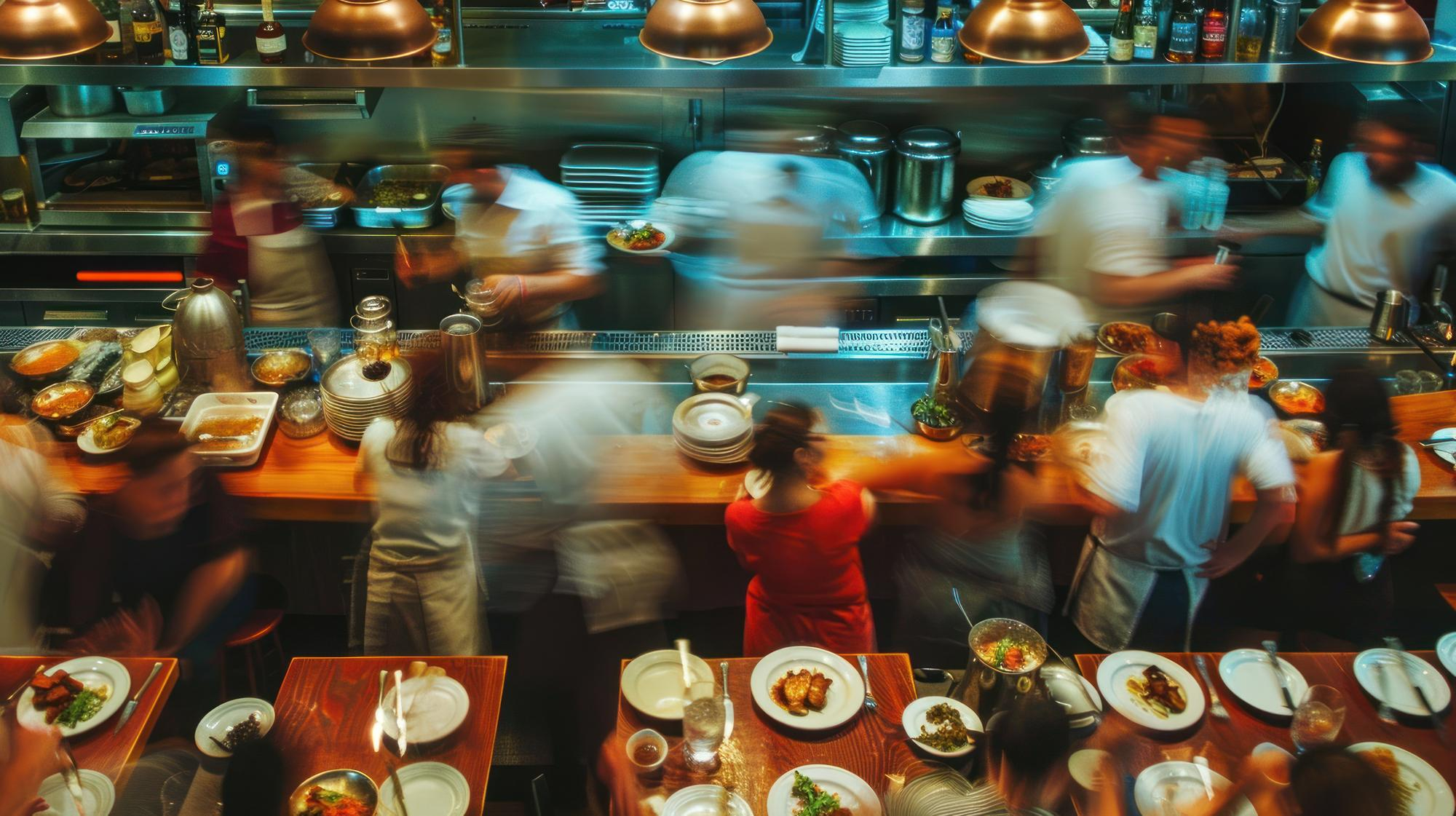
Sales data lives in the POS. Labour hours sit in a scheduling tool. Food cost is tracked in a spreadsheet someone updates twice a week. Training records are in a folder. Delivery platform performance comes in through a separate app. And somewhere in between all of these, the operations head is spending three hours every Monday morning trying to stitch a coherent picture together from reports that were already out of date by the time they arrived.
This is not a data problem. It is a fragmentation problem. And it gets significantly worse as a restaurant business scales.
What Happens at 50 Stores
At five outlets, an owner can stay close to operations personally. At fifteen, the right hire fixes it. But somewhere around the 40 to 60 store mark, manual coordination across systems, geographies, and teams starts to buckle. The gaps between what is happening in the business and what leadership can see in real time begin to widen.
A Tier 2 city outlet running a labour cost overrun for two weeks will not show up in a report until month-end. A franchise location with a food waste spike that started on a Tuesday will not reach the operations head until the Friday review call, if it reaches them at all.
By then, the margin is already gone.
The Fix Is Not More Data — It Is Connected Data
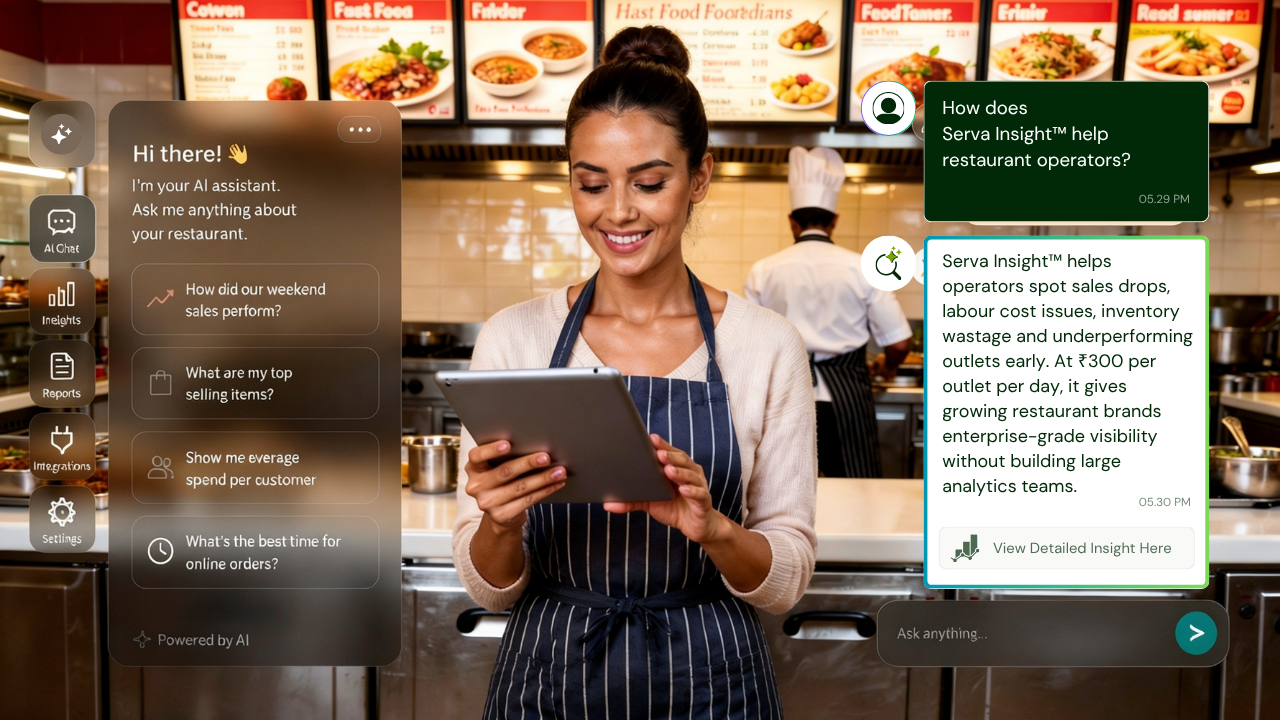
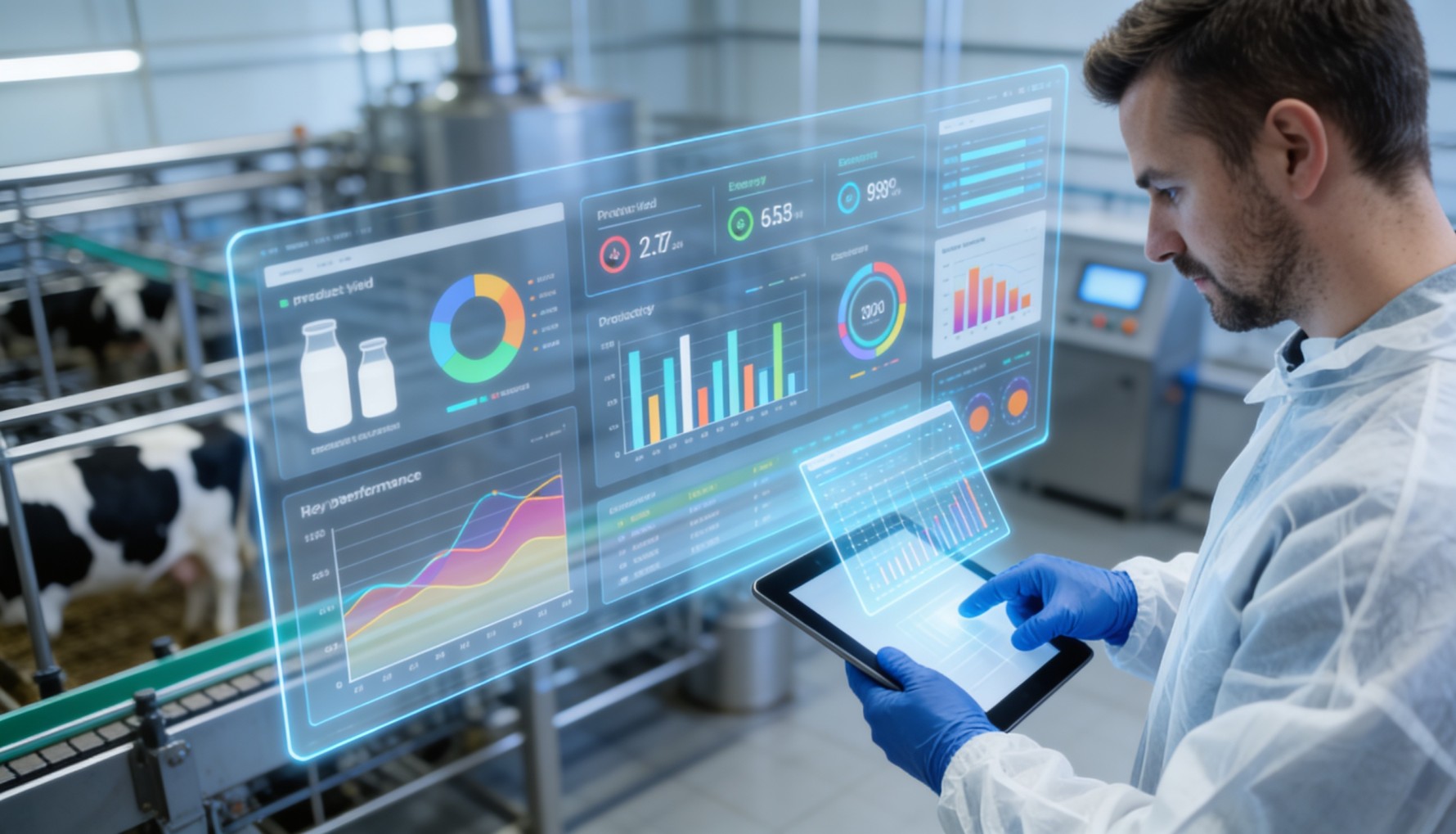
The shift that high-performing restaurant chains are making is not about collecting more information. It is about connecting the information they already have into a single layer that any person in the operations chain can query, in real time, in plain language.
What did our best-performing outlet do differently last weekend? Which franchise in the NCR cluster has the highest food cost variance this week? Where is SOP compliance slipping, and which stores need attention before it becomes a customer problem?
These are questions that a well-run restaurant business should be able to answer in seconds, not after a two-day reporting cycle.
For growing restaurant chains and franchise networks in India, the technology to make this possible is now accessible without a large IT investment or a dedicated data team. The question is no longer whether real-time operational intelligence is available to mid-market operators. It is whether they are using it.
Discover how connected operational intelligence helps multi-outlet restaurant chains unify fragmented data, monitor performance in real time, reduce margin loss, and scale smarter.



Every multi-outlet restaurant operator in India is sitting on more data than they know what to do with. Every transaction at the POS. Every online order from Swiggy or Zomato. Every labour hour logged, every inventory count done, every SOP checklist completed or skipped. The data is there.
The problem is that none of it is talking to each other.
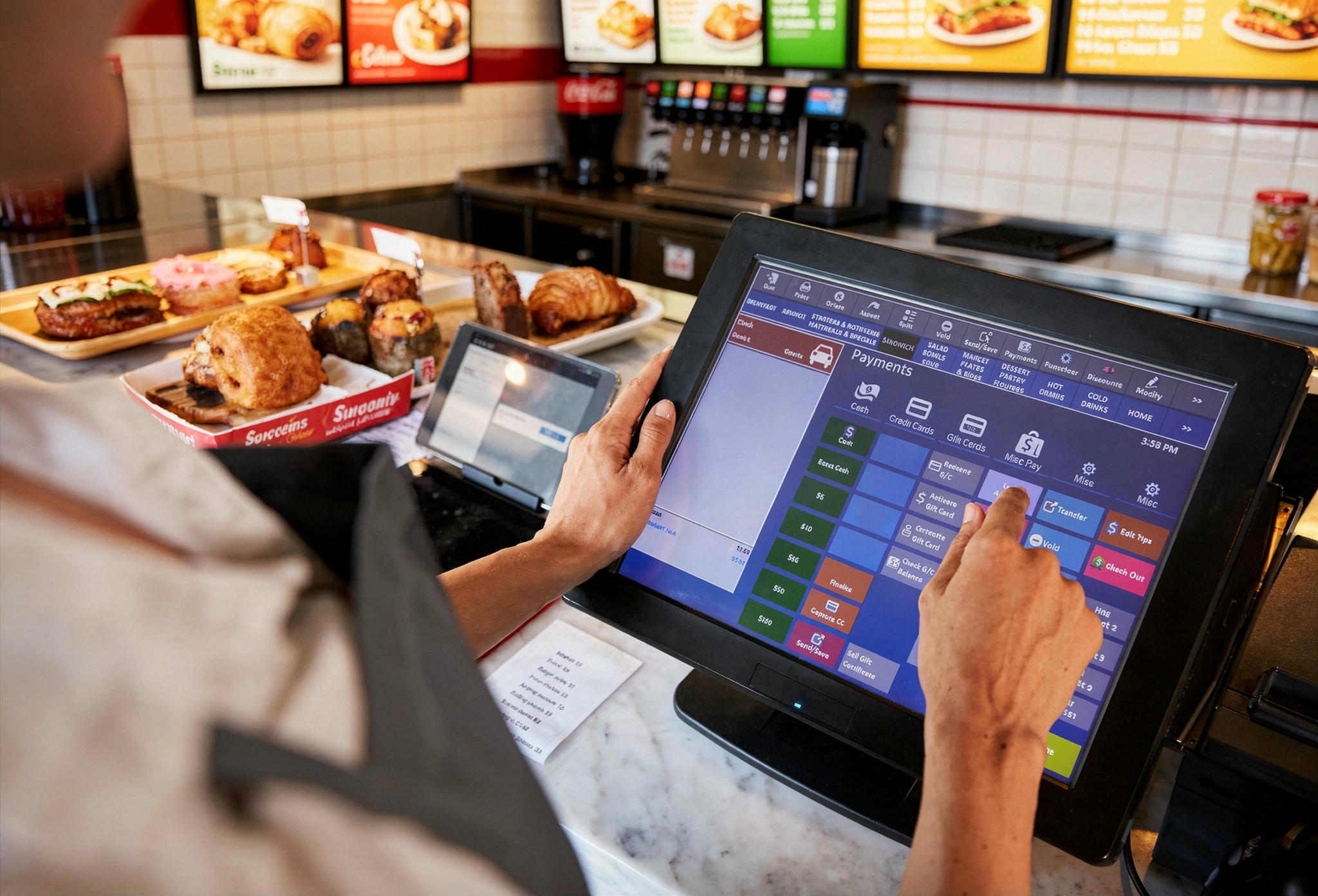
Sales data lives in the POS. Labour hours sit in a scheduling tool. Food cost is tracked in a spreadsheet someone updates twice a week. Training records are in a folder. Delivery platform performance comes in through a separate app. And somewhere in between all of these, the operations head is spending three hours every Monday morning trying to stitch a coherent picture together from reports that were already out of date by the time they arrived.
This is not a data problem. It is a fragmentation problem. And it gets significantly worse as a restaurant business scales.
What Happens at 50 Stores
At five outlets, an owner can stay close to operations personally. At fifteen, the right hire fixes it. But somewhere around the 40 to 60 store mark, manual coordination across systems, geographies, and teams starts to buckle. The gaps between what is happening in the business and what leadership can see in real time begin to widen.
A Tier 2 city outlet running a labour cost overrun for two weeks will not show up in a report until month-end. A franchise location with a food waste spike that started on a Tuesday will not reach the operations head until the Friday review call, if it reaches them at all.
By then, the margin is already gone.
The Fix Is Not More Data — It Is Connected Data
The shift that high-performing restaurant chains are making is not about collecting more information. It is about connecting the information they already have into a single layer that any person in the operations chain can query, in real time, in plain language.
What did our best-performing outlet do differently last weekend? Which franchise in the NCR cluster has the highest food cost variance this week? Where is SOP compliance slipping, and which stores need attention before it becomes a customer problem?
These are questions that a well-run restaurant business should be able to answer in seconds, not after a two-day reporting cycle.
For growing restaurant chains and franchise networks in India, the technology to make this possible is now accessible without a large IT investment or a dedicated data team. The question is no longer whether real-time operational intelligence is available to mid-market operators. It is whether they are using it.